Multiple application methods — optimized per device
We utilize a variety of coating technologies to formulate the best coating process for each type of medical device, taking into consideration the device geometries, coating quality, process scalability and robustness.
Plasma treatment
Surface activation and cleaning for improved adhesion of subsequent coatings.
Plasma polymerization
Core PECVD process for covalently-bound functional polymer coatings.
CVD / PECVD
Chemical and plasma-enhanced vapor deposition for conformal thin films.
Dip coating
Controlled immersion for uniform coating application on simple geometries.
Spray coating
Atomized application for large surfaces and complex component assemblies.
Spin coating
High-uniformity application for flat and near-flat substrate surfaces.
Plasma Assisted Polymer Coatings (PECVD)
We use a proprietary plasma assisted polymer coating technology (plasma polymerization, PECVD) that produces highly customized, fully functional surfaces for a variety of applications. This innovative process uses the fourth state of matter (plasma) to create a polymer coating on the surface of various materials, resulting in pinhole free and complete device coverage.
The resulting polymer coatings are customized for individual applications to produce the desired surface characteristics. Polymer surfaces created with the Medical Surface coating technology are:
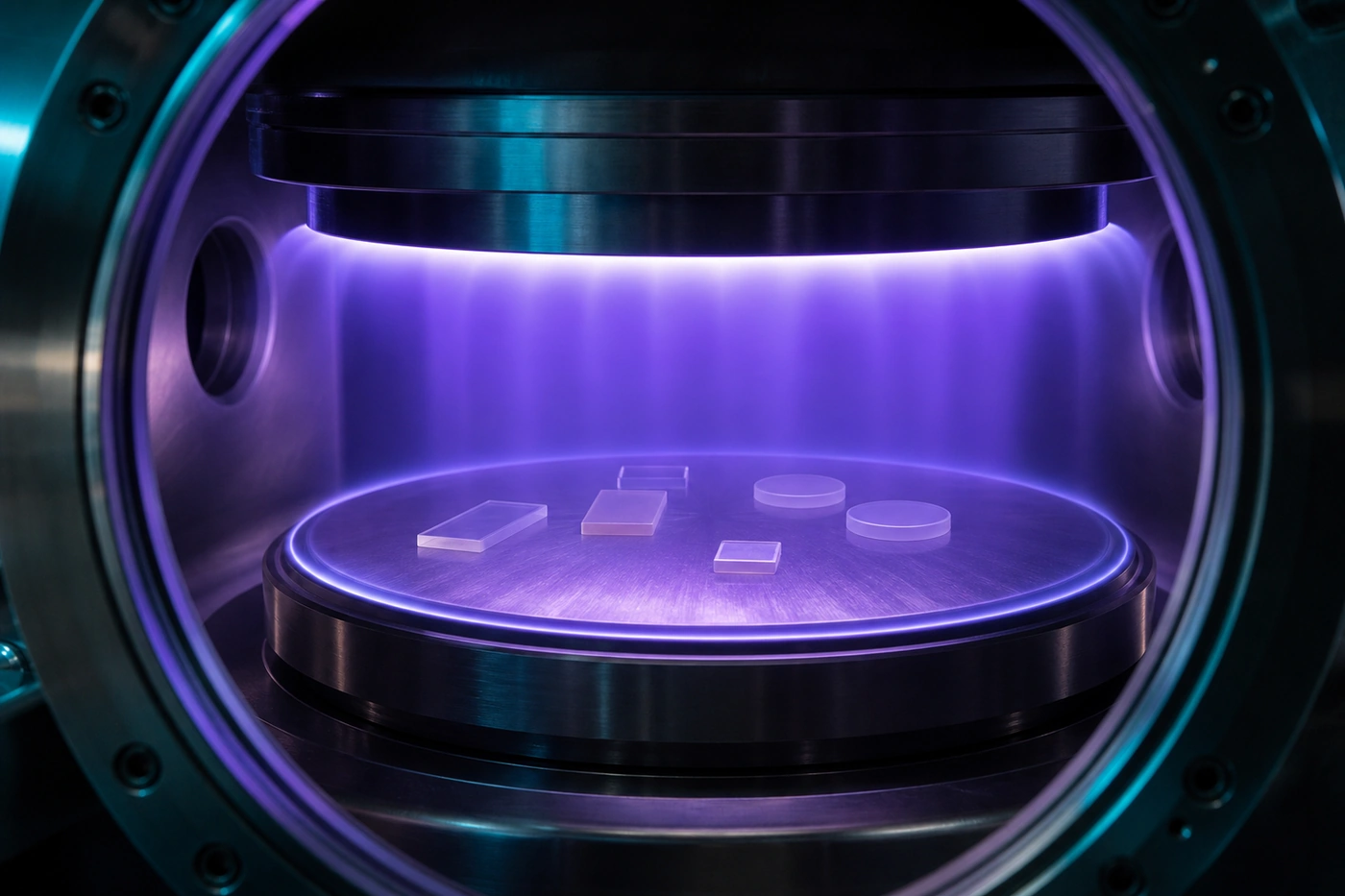
Plasma-assisted polymer deposition process
Polymer/Hydrogel Engineering Tailored for Specific Applications
The polymer/hydrogel coating can be functionalized by adding reactive functional groups to the surface. This provides a superior, low background surface for immobilizing enzymes, antibodies and other biomolecules.
Surface properties that can be engineered include:
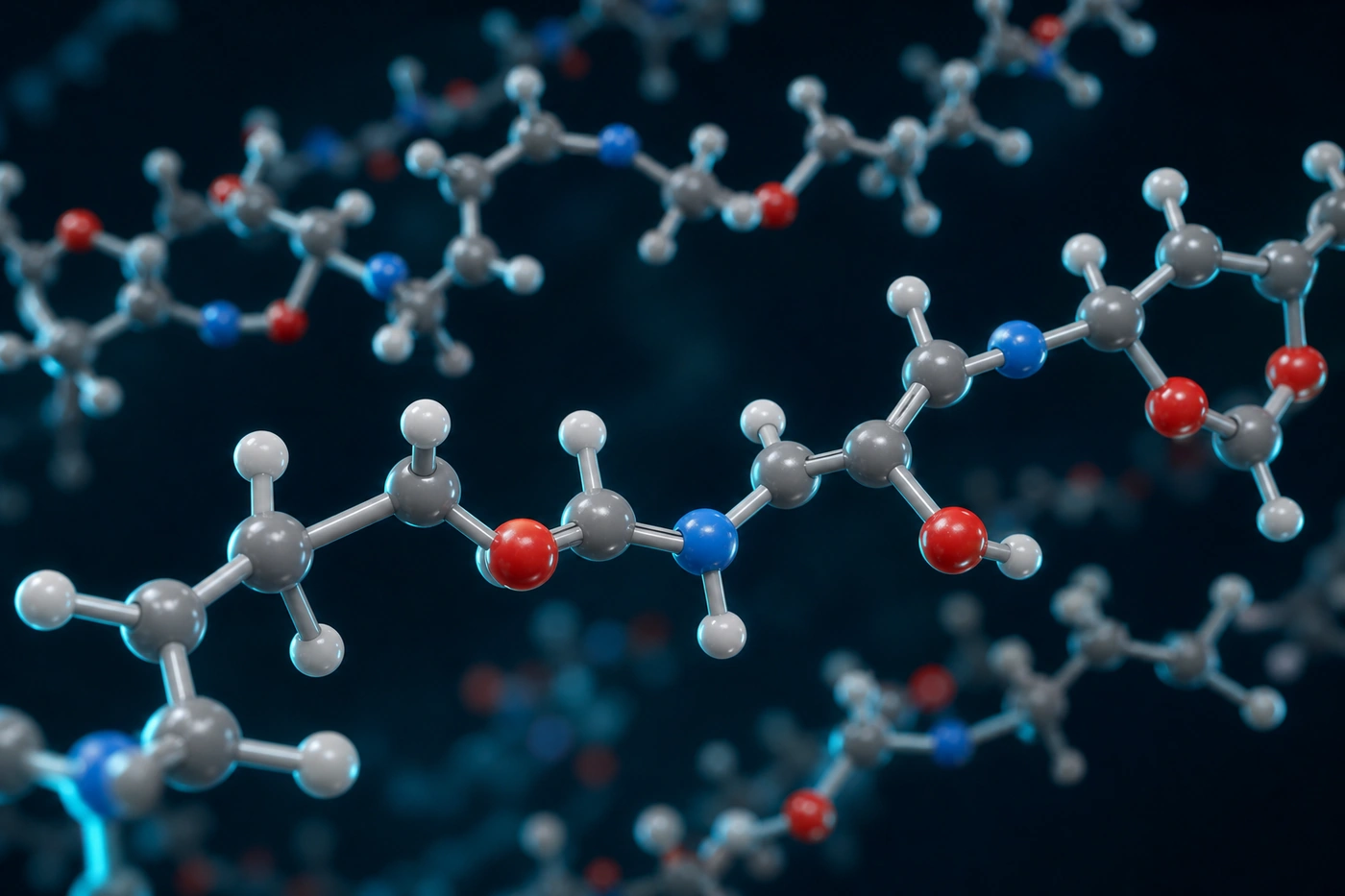
Polymer/hydrogel surface functionalization
Functionalized Surface Coatings for Biosensor Applications
Our innovative process allows for the engineering of the polymer/hydrogel coating, which results in different combinations of surface properties optimized for specific applications. Examples of functional groups covalently linked to the coating include:
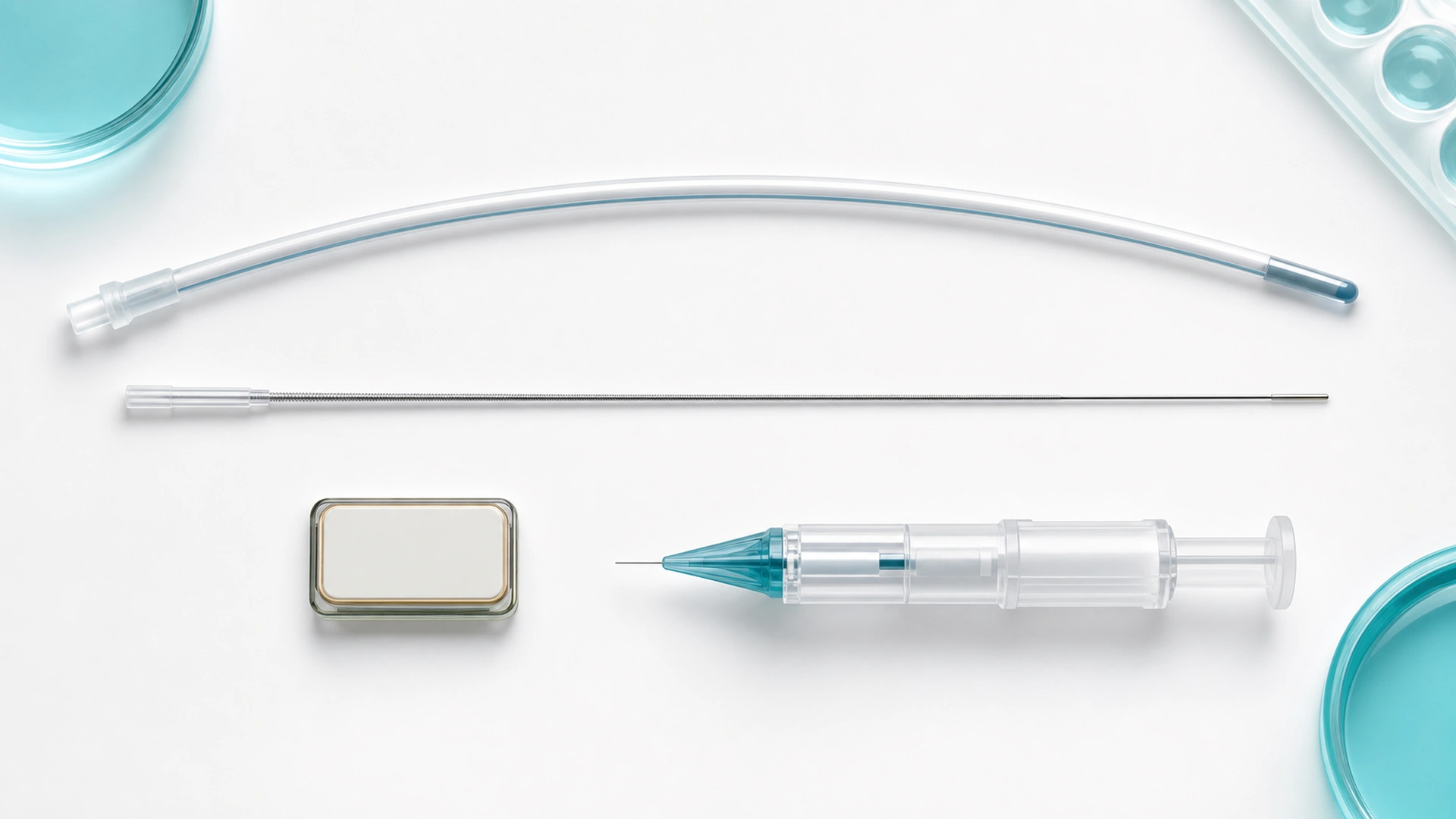
Functionalized surface coatings with immobilized biomolecules